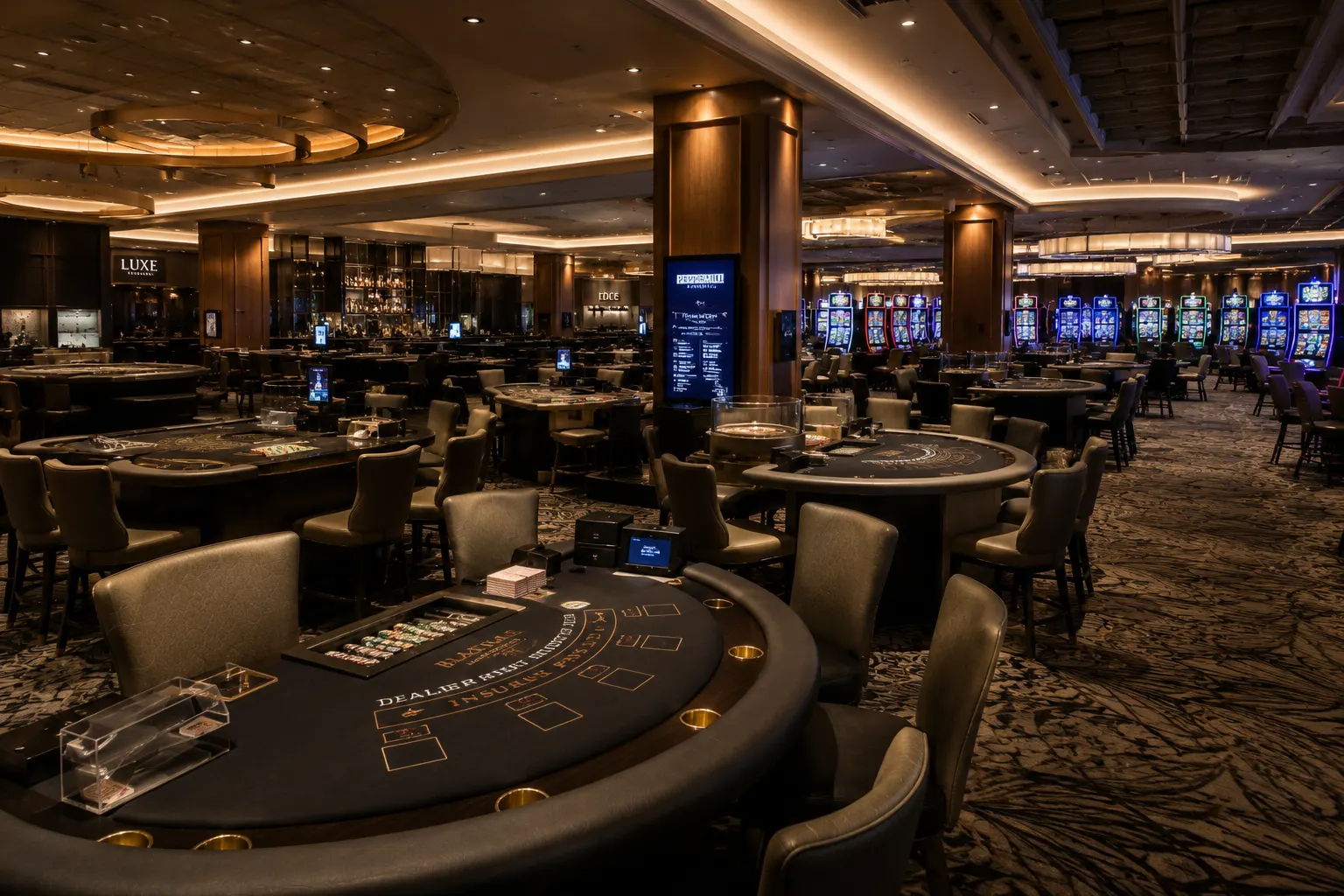
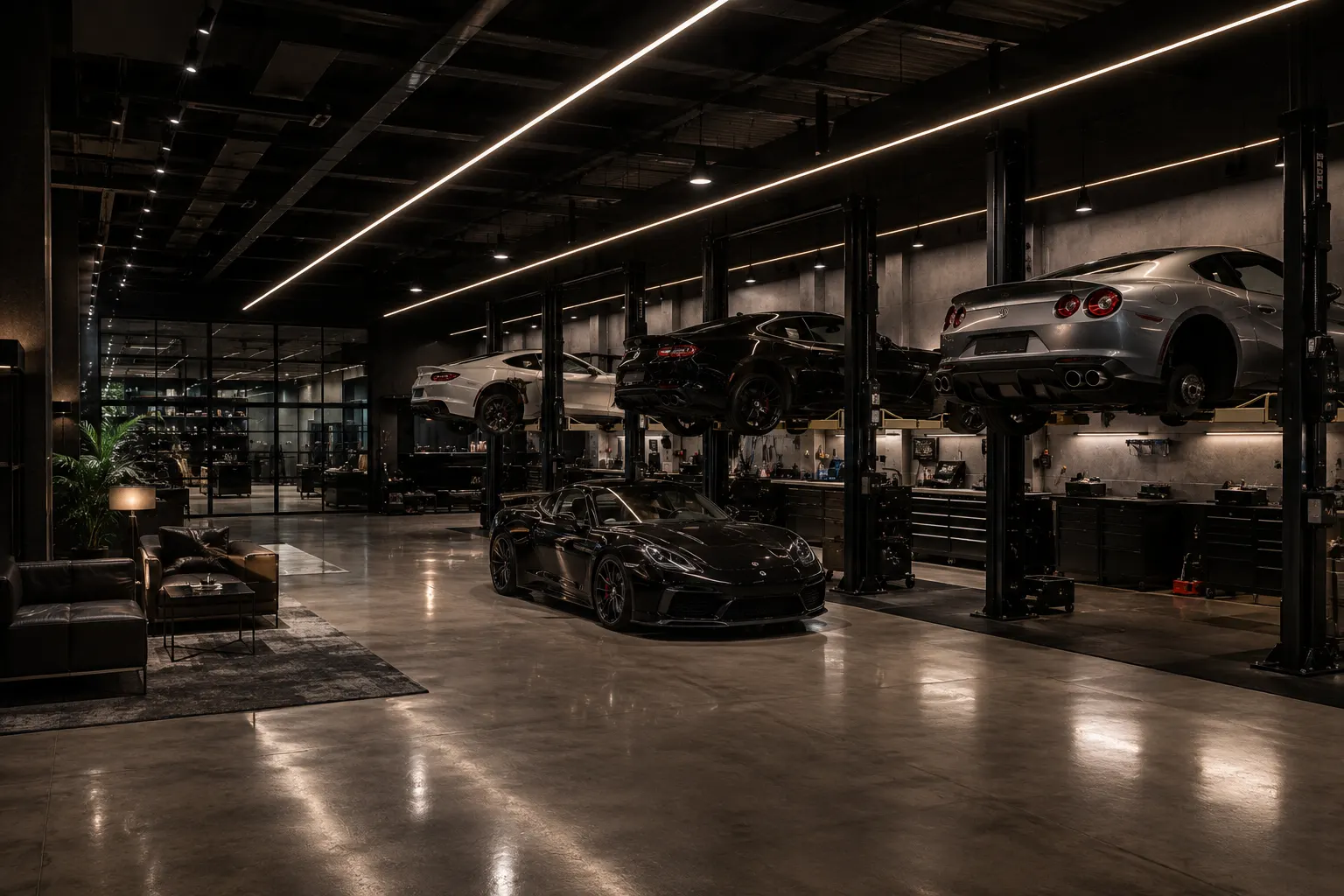
Scent marketing for automotive showrooms is the use of a signature fragrance across the showroom floor, customer lounges and service reception, so the brand is experienced consistently in every dealership. Car brands invest heavily in how their showrooms look, from architecture and lighting to materials and display. Fragrance adds a sensory layer that can be kept the same across a whole dealer network.
Key takeaways
- Automotive scenting covers the showroom floor, customer lounges, handover areas and service reception.
- The main goal for most brands is one consistent fragrance across every dealership.
- Large showrooms with high ceilings and glass frontages need careful sizing and placement.
- Sales floors and service receptions are often treated as separate zones with their own intensity.
- Fragrance is chosen to suit the brand's positioning and tested in the showroom before rollout.
Why Car Brands Use Scent
A showroom is where a car brand is experienced in person rather than seen in advertising. Global marques publish detailed showroom design standards so that a dealership in Bangkok, Manila or Kuala Lumpur feels like the same brand.
Fragrance can be part of those standards. A consistent signature scent across every dealership gives the brand a sensory identity that customers encounter each time they visit, whether to buy, collect a car or bring it in for service.
Without a plan, a showroom's scent is set by cleaning products, the workshop next door, tyres and new materials, or the street outside.
The Dealership, Zone by Zone
| Zone | Typical approach |
|---|---|
| Showroom floor | The main brand zone: the signature scent at a consistent level |
| Customer lounge | The same fragrance, often softer, for customers who stay longer |
| Handover area | Part of a key moment for the customer; usually scented with the showroom fragrance |
| Service reception | Often its own zone with a different intensity or schedule |
| Workshop | Not scented |
Many dealerships treat the sales floor and service reception as separate zones. They have different customers, different hours and often a different airflow, especially where the service reception is close to the workshop.
Showroom Challenges
Car showrooms are some of the harder commercial spaces to scent:
- Large volumes and high ceilings: fragrance has a lot of air to fill.
- Glass frontages and large doors: vehicles move in and out, and air moves with them.
- Strong air conditioning: needed to keep glass-fronted spaces cool, especially in the tropical climates of Thailand, the Philippines and Malaysia.
- Proximity to workshops: service areas carry their own smells.
These conditions are why equipment is sized to the actual space and placed according to how air moves, rather than by floor area alone. See How to Scent Large Commercial Spaces for the general approach.
Equipment for Showrooms
Smaller showrooms and lounges are usually scented with standalone commercial scent diffusers, placed discreetly around the floor and sized to each zone.
Larger showrooms whose air handling serves the sales floor separately can use HVAC scenting, which distributes fragrance through the building's air system for more even coverage across a big space. Many dealerships combine the two: HVAC scenting for the main floor and standalone units for lounges or service reception.
Output is scheduled around showroom hours and can be adjusted for launches and events.
Choosing a Fragrance for a Marque
An automotive fragrance is chosen through brand discovery: the marque's positioning, its customers and the experience the showroom should create. A performance brand, a luxury brand and an electric-vehicle brand usually call for very different fragrances.
Some brands develop a signature scent of their own; others choose an existing fragrance from a professional library. Either way, the fragrance is tested in a showroom before it is rolled out across the network. See How to Create a Signature Scent for how that process works.
Dealer Groups and Brand Networks
Automotive programmes are scoped either for a single showroom or for a rollout across a dealer group or distributor network. A network rollout keeps the same fragrance in every location while equipment and intensity are configured for each building, because showrooms vary widely in size, layout and airflow.
Replenishment and servicing are planned across the network so no showroom runs out. Smart Scent Management explains how schedules and consistency are managed across sites.
Launch events can also be scented, with output coordinated around the event schedule.
Planning an Automotive Scent Programme
- Which zones should carry the brand fragrance: showroom, lounge, handover, service reception?
- How large is the showroom, how high are the ceilings, and how often do doors open?
- Does the air handling serve the showroom separately from the workshop?
- Is this one showroom, or a dealer network?
- Do brand standards already specify a fragrance?
Scent Up works with automotive showrooms in Thailand, the Philippines and Malaysia. Book a scent consultation to discuss your showroom or network.