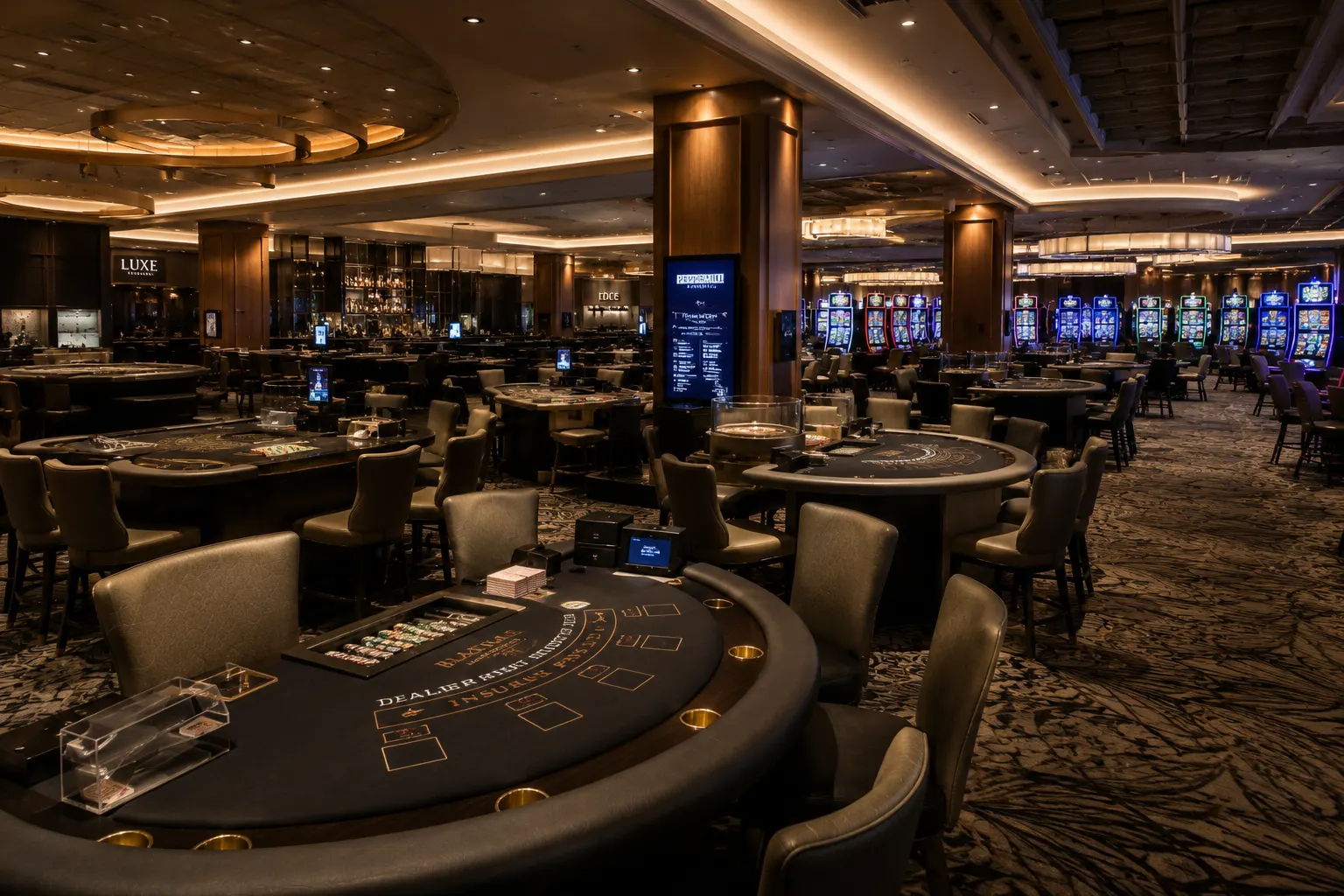
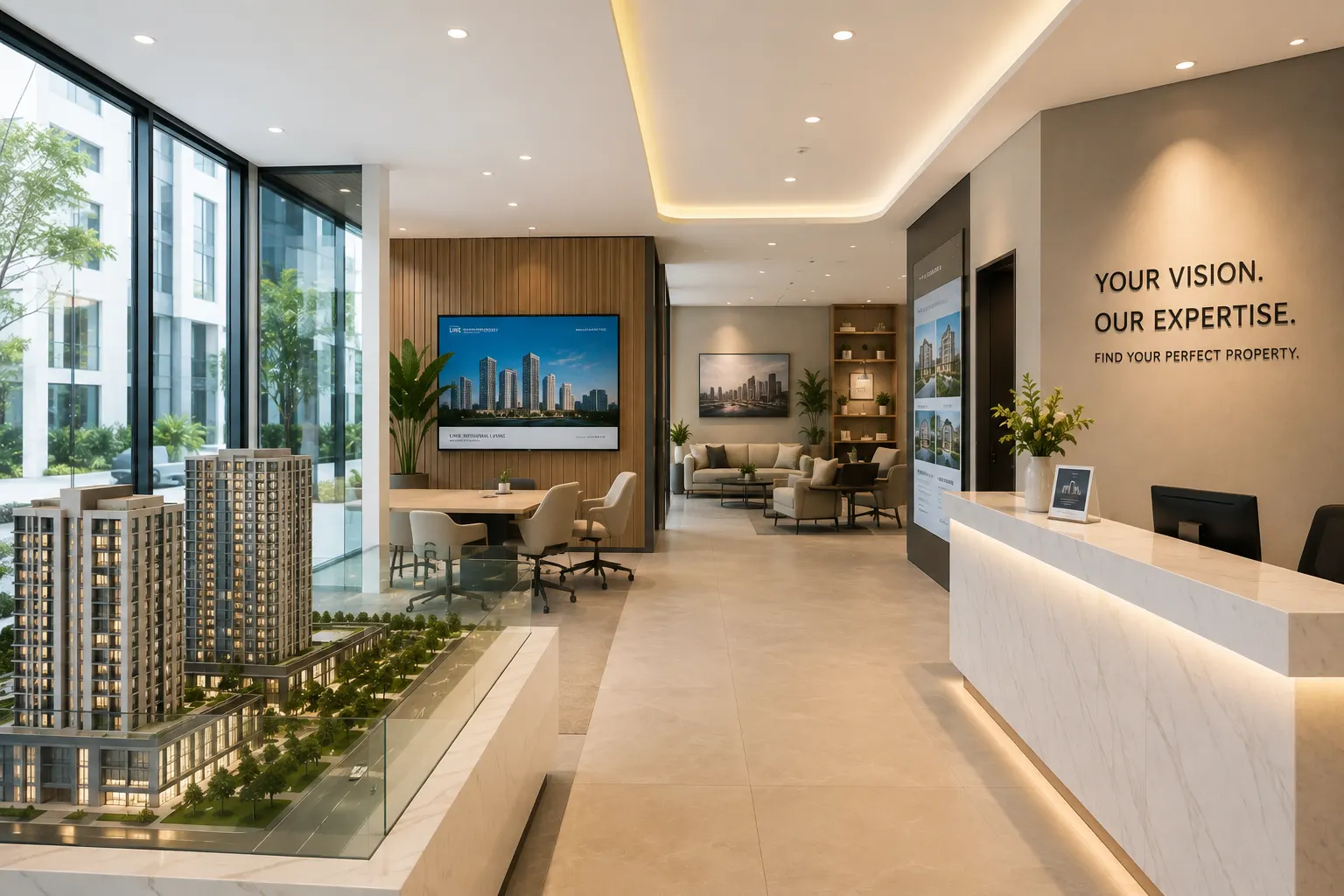
Scent marketing for real estate is the use of a considered fragrance in property sales galleries, show units, sales offices and launch events, so the spaces a buyer visits feel finished and lived-in rather than staged. For many buyers, a sales gallery or show unit is the only physical experience of a development before they commit. Fragrance is part of how that space presents the project, alongside architecture, interior design, lighting and service.
Key takeaways
- Sales galleries, show units, sales offices and launch events are the main places property developers use scent.
- Standalone diffusers suit temporary galleries and launches, because they install and remove without touching the building's air conditioning.
- Show units are usually scented subtly, so the space feels like a home rather than a store.
- Developers can use one signature scent across every project, or a distinct fragrance for each.
- Launch scenting should be planned early enough for fragrance selection and a site visit.
Why Developers Use Scent
A property development is often sold before it is built. Buyers walk through a sales gallery, look at models and materials, and step into a show unit that represents the home they are being asked to buy.
Every detail of that experience is designed: the finishes, the furniture, the lighting, the music, the way staff greet visitors. Without attention, the scent of the space is left to new paint, fresh furniture, adhesives, cleaning products or the construction site next door. A considered fragrance replaces that with an atmosphere that matches the project's positioning.
For premium and luxury developments, fragrance can also be part of a wider brand identity that continues into the finished building's lobby and amenities.
Where Scent Is Used in Property Sales
| Space | Typical approach |
|---|---|
| Sales gallery | The main zone: a consistent fragrance throughout the reception, model and presentation areas |
| Show units | A subtle fragrance suited to a home, usually lighter than the gallery |
| Sales offices | The project or developer fragrance, carried into standalone offices |
| Launch events | Time-limited scenting coordinated around the event schedule |
| Finished building lobby | The project's signature scent can continue after handover |
Show Units: Making a Space Feel Like Home
A show unit should feel like somewhere people live, not like a hotel lobby or a store. The fragrance is usually light, warm and domestic in character, and set at a lower intensity than the sales gallery.
Units are usually scented with a compact standalone diffuser sized to the layout, placed out of sight. Because show units are often closed rooms with their own air conditioning, a small unit is usually enough, and output can run on a schedule around viewing hours.
Temporary Galleries and Launch Events
Many sales galleries are temporary structures, and many launches are one-off events. Standalone commercial scent diffusers suit both: they can be installed for the life of the gallery or the event and removed afterwards, with no changes to the building.
For a launch, plan scenting early enough to complete fragrance selection and a site assessment before the event date. The fragrance should be tested in the venue, set to suit the number of guests expected, and scheduled around the event programme.
For permanent sales centres with their own air handling, HVAC scenting can sometimes cover larger connected spaces, following an assessment of the system.
One Developer Scent, or One per Project
Developers take two approaches:
- One signature scent for the developer: every sales gallery, sales office and launch carries the same fragrance, building recognition across projects.
- A distinct fragrance per project: each development has its own scent, matched to its positioning, for example a resort-style project and a city-centre tower.
Both work, and some developers combine them: a developer fragrance for corporate spaces and project-specific fragrances for galleries. A signature scent can be developed for either approach. See How to Create a Signature Scent for how that process works.
Getting the Intensity Right
A sales gallery hosts visitors for an hour or more, and sales staff work there all day. The fragrance should be noticeable on arrival and comfortable after a long presentation.
Calibration considers the gallery's size and ceiling height, open entrances, air conditioning, the number of visitors at peak times, and the materials on display, as fresh finishes and furniture carry their own smells.
Planning a Real Estate Scent Programme
- Which spaces will buyers visit: gallery, show units, sales office, events?
- Is the gallery temporary or permanent, and who controls the air conditioning?
- One fragrance for the developer, or one for each project?
- When is the next launch, and how many guests are expected?
- Should the scent continue into the finished building?
Scent Up works with property developers in Thailand, the Philippines and Malaysia. For an initial direction, try the Scent Solution Finder, or book a scent consultation with your project timeline.