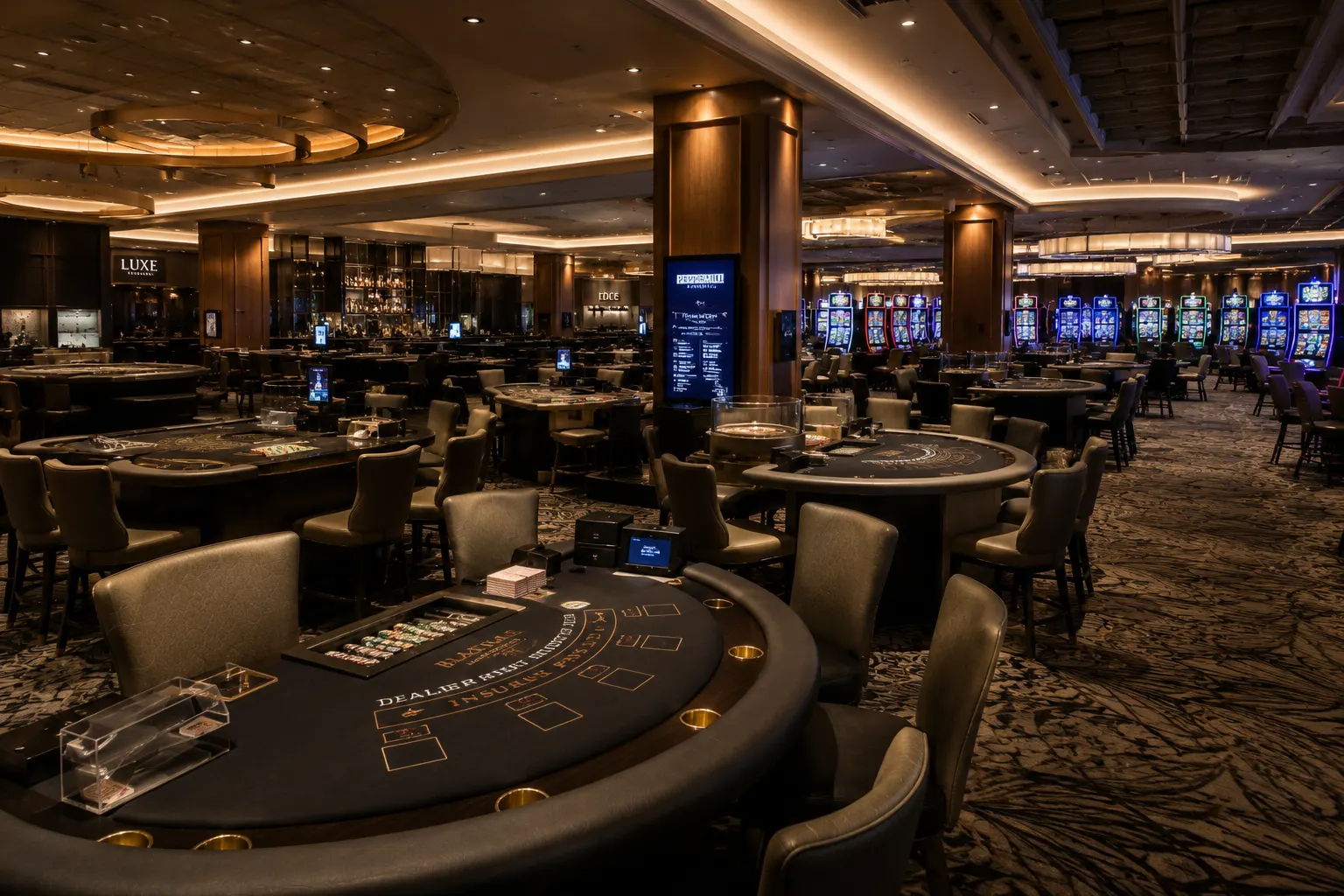
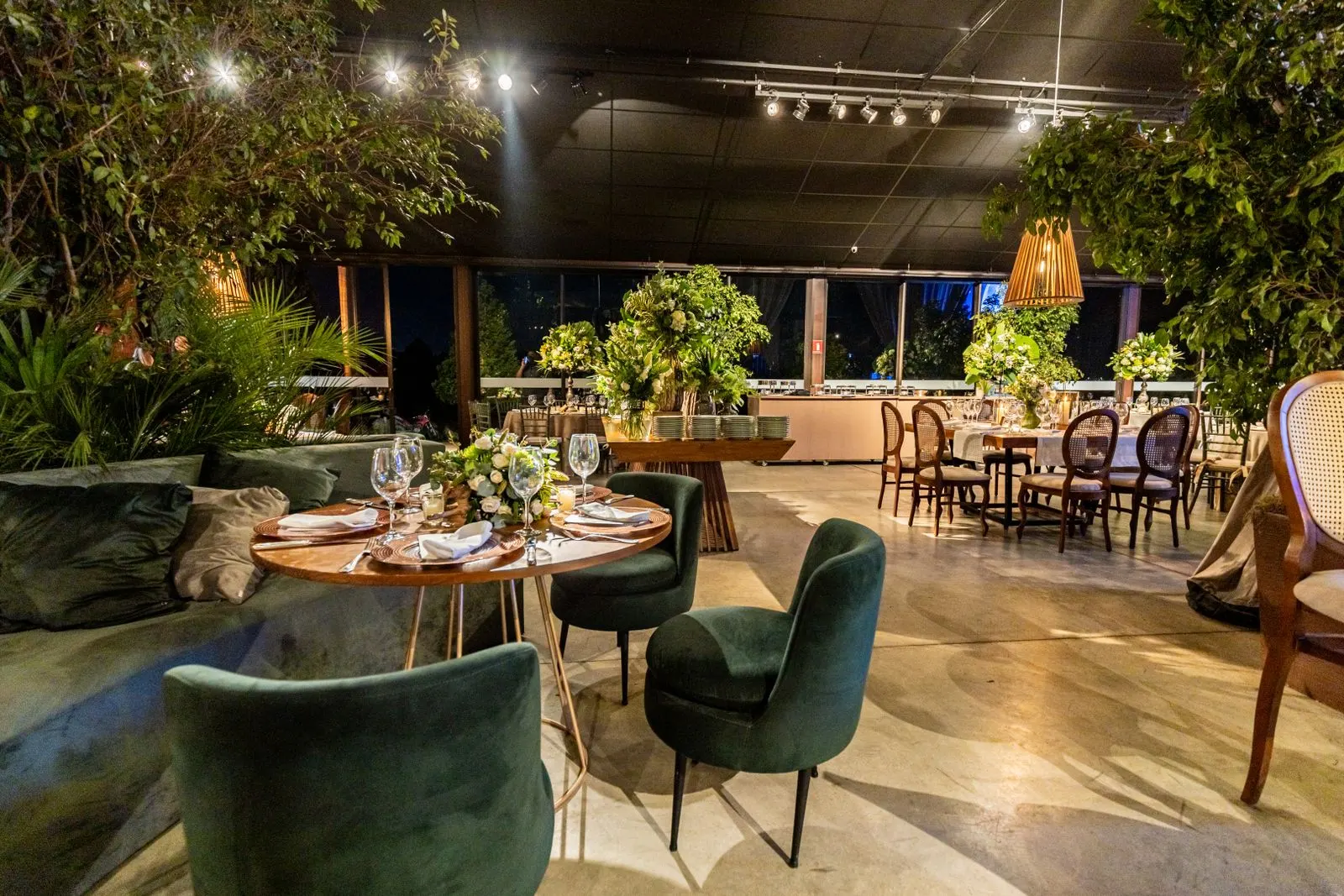
Scent marketing for restaurants is the selective use of fragrance in the zones around the meal: the entrance, host stand, bar, lounge and waiting areas. The dining room itself is assessed separately, because fragrance must never compete with the food. Done well, a restaurant's scent shapes the arrival and the moments before and after dining, and leaves the meal to the kitchen.
Key takeaways
- Restaurant scenting is planned zone by zone, never as a blanket fragrance over the whole venue.
- The entrance and host stand are usually the safest and most effective places for a signature scent.
- Bars and lounges separated from dining can carry a fuller fragrance.
- Active dining areas are usually left unscented unless a specific assessment shows otherwise.
- Restaurant groups can keep one fragrance at the entrance of every outlet.
Why Restaurants Think About Scent
A restaurant already has a scent: its food. That is the first reason restaurant scenting is different from scenting a hotel lobby or a retail store. The smell of the kitchen is part of the appeal, and anything that masks it or clashes with it works against the venue.
At the same time, many spaces in and around a restaurant have nothing to do with food: the entrance from the street or the mall, the host stand, the bar, a lounge, a private dining reception or a corridor to the washrooms. Those spaces form part of a guest's impression, and their scent is usually left to chance.
A restaurant scent programme focuses on those zones, so arrival and the moments before and after the meal feel considered.
Zone by Zone
| Zone | Typical approach |
|---|---|
| Entrance and host stand | The main zone for a signature scent: the first impression before a guest is seated |
| Waiting area | The same fragrance as the entrance, at a similar or lower intensity |
| Bar and lounge | Can run a fuller fragrance where separated from active dining |
| Private dining and event rooms | Assessed individually, as they often double as reception spaces |
| Corridors and washrooms | Often scented to keep the experience consistent |
| Active dining areas | Usually not scented without a specific assessment |
The dividing line is airflow as much as walls. A bar that shares open air with the dining room is effectively part of the dining room, so fragrance there is set with that in mind.
Choosing a Fragrance for a Restaurant
A restaurant fragrance should suit the concept and the cuisine. A fine-dining room, a hotel all-day dining outlet, a rooftop bar and a casual café group call for very different fragrances.
Fragrances near food areas are usually light, clean and restrained, chosen so they will not clash with the menu. Bars and lounges allow more character. Strong gourmand fragrances, such as sweet, vanilla or baked notes, are generally avoided near dining because they compete directly with real food.
Groups with a strong brand sometimes develop a signature scent for every outlet. Whatever the choice, the fragrance is tested in the venue during service hours before it is rolled out.
Equipment and Placement
Most restaurants use standalone commercial scent diffusers placed at the entrance, host stand, bar or lounge. Standalone units let each zone be controlled separately, which matters when one zone should be scented and the next should not.
Restaurants inside shopping centres or hotels rarely control the building's air conditioning. Where a venue does have its own air handling, HVAC scenting can sometimes serve a larger lounge or bar, but it is rarely appropriate where the same air system also serves the dining room.
Placement keeps equipment out of reach of guests and away from food preparation and service areas. See Scent Marketing Diffusers: Types and Placement for more on placement.
Intensity and Timing
A restaurant's air changes through the day. Kitchen extraction, open doors, terraces and the number of guests all affect how fragrance moves.
Output is scheduled around service: building before opening, steady through service at the entrance and bar, and off when the venue closes. Intensity is set during installation and adjusted after the first weeks, once staff have seen how the scent behaves during a busy service.
Hotel Restaurants and Restaurant Groups
Hotel restaurants and F&B outlets are treated as their own zones within the property's wider programme. The entrance to a hotel restaurant may carry the hotel's signature scent, or a fragrance chosen for the outlet's own concept. The Hotel Scent Marketing Guide covers hotel programmes in more detail.
Restaurant groups with several outlets can keep the same fragrance at the entrance of every location, with equipment and intensity configured for each venue. Smart Scent Management explains how schedules and consistency are managed across sites.
Planning a Restaurant Scent Programme
- Which zones are separate from active dining, by walls and by airflow?
- What does the cuisine smell like, and what fragrance would complement it?
- Does the venue control its own air conditioning?
- How do kitchen extraction and open doors move air through the venue?
- Is this one restaurant, or a group?
Scent Up works with restaurants and hospitality venues in Thailand, the Philippines and Malaysia. Book a scent consultation to discuss your venue.